
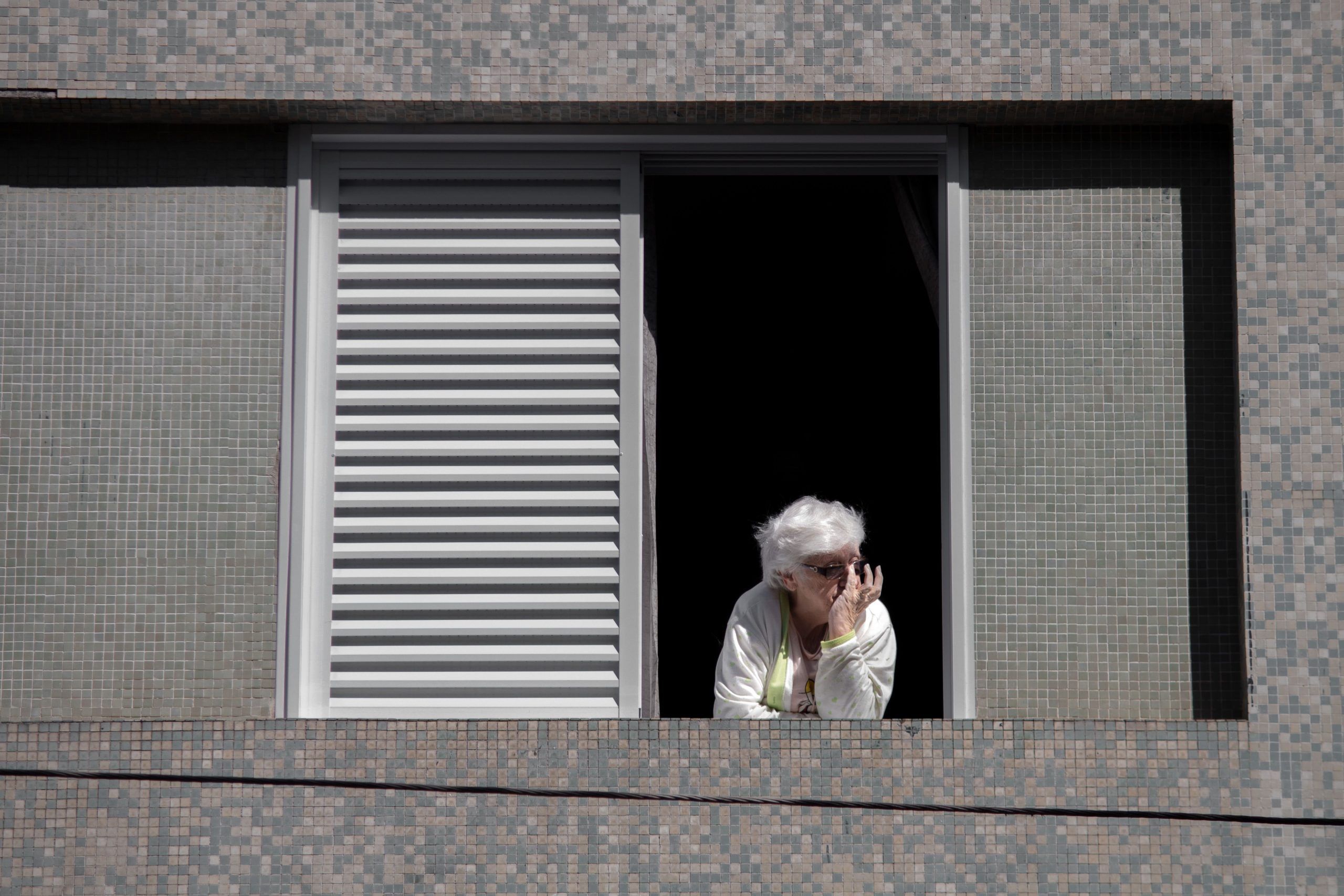
For years, being a parent may have shaped much of your daily life. Your routines may have revolved around school schedules, family meals, activities, and caring for your children.
When a child leaves home for university, work, or independent living, that routine can change significantly.
You may feel proud of their independence while also noticing that your home feels quieter or that your days feel different. You might even find yourself wondering what this new stage of life means for you.
This transition can bring a wide range of emotions, including sadness, loneliness, relief, freedom, and uncertainty. The feelings associated with empty nest syndrome can include grief and uncertainty as parents adjust to significant changes in their role and daily life.
When Your Role Begins to Change
Becoming a parent can become an important part of a person’s identity. For many years, your time and energy may have been focused on supporting your children’s needs and helping them grow.
When they become more independent, it does not mean your role as a parent disappears. However, the relationship may begin to change.
This can lead to questions such as:
- What will my day-to-day life look like now?
- How can I adjust to having more time?
- Who am I outside of my parenting role?
- How will my relationship with my child change?
These questions do not mean you are unhappy for your child. They can simply be part of adjusting to a new stage of life.
Making Space for What Comes Next
An empty home can initially feel like a loss of routine, but over time, it can also create space for other parts of your life.

You may choose to reconnect with interests you put aside, spend more time with friends, focus on personal goals, or nurture other important relationships. There is no need to immediately fill every moment. Adjusting to change can take time.
It can also help to remember that your relationship with your child is evolving rather than ending. While you may no longer see them every day, new ways of staying connected and relating to one another can develop.
Give Yourself Permission to Feel More Than One Thing
You can miss having your child at home and still feel proud of the life they are building.
You can enjoy having more freedom while also feeling sad about the changes in your family.
These emotions can exist at the same time. Giving yourself permission to acknowledge them, rather than judging how you think you should feel, can make the adjustment easier to understand.
When Counselling May Help
For some people, the transition becomes more difficult when feelings of sadness, anxiety, loneliness, or loss continue to affect everyday life.
Counselling can provide a supportive space to explore the changes you are experiencing and the emotions connected to them. It can also help you better understand changes in identity, relationships, and routines as you move through this new chapter.
Support Through Change
Adjusting after your children leave home is a significant life transition, and there is no single timeline for finding your footing again.
Trickett Counselling offers compassionate support for individuals navigating life changes, anxiety, grief, relationship concerns, and other challenges. Our therapists work with clients in Guelph and Mississauga, as well as virtually across Ontario.
With time and support, this new stage of life can become an opportunity to reconnect with yourself and consider what you want the next chapter to look like.