
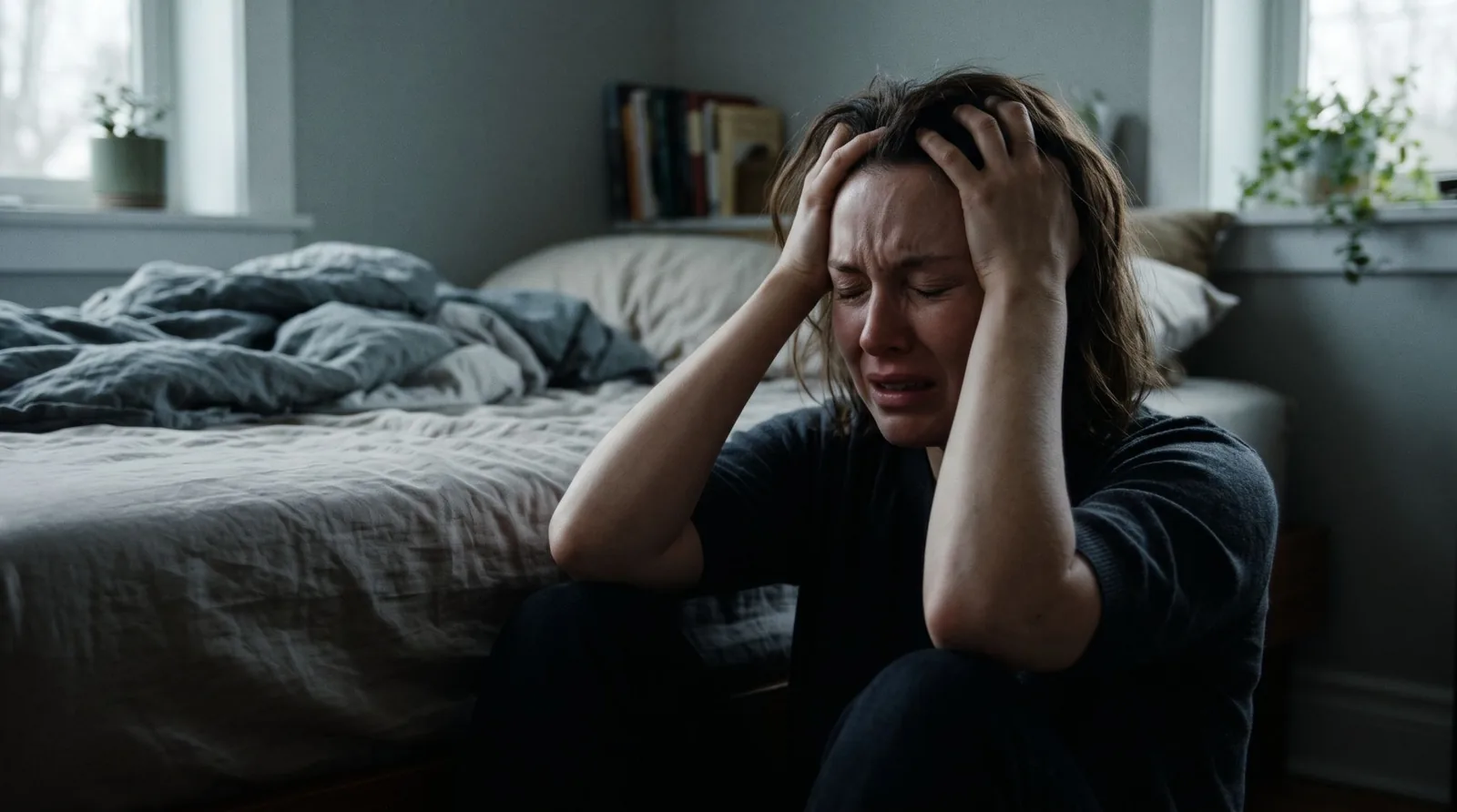
There are moments when you may wish that your mind could just take a quiet break, which is where structured anxiety counselling in Guelph helps turn constant tension and uphill daily routines into calm, manageable ground.
Anxiety in adults often involves persistent worry, physical symptoms like a pounding heart, and panic attacks that interfere with daily life. Effective treatment plans combine evidence-based approaches, like cognitive behavioural therapy, mindfulness-based techniques, and emotional regulation strategies.
These can be achieved with the structured support of experienced counsellors. And fortunately, Trickett Counselling in Guelph is here to help you regain control and feel more grounded.
What is anxiety in adults?
Anxiety in adults is a mental health condition marked by intense, excessive, and persistent worry that disrupts daily life and feels out of proportion to the actual situation. The worry may feel impossible to control, and it may often stick around long after the trigger has passed, though specialized anxiety counselling in Guelph offers clear steps to regain calm.
The World Health Organization identifies anxiety disorders as the world’s most common mental disorders. In reality, it affects 470 million people in 2023, so you are far from alone in this experience. In fact, a recent Canadian study found that twice as many Canadians are dealing with mood or anxiety issues compared to 10 years ago.
Anxiety in adults goes far beyond the nervousness you feel before a big presentation or a difficult conversation. It can bring repeated episodes of sudden, overwhelming fear, even among high-functioning individuals, that peak within minutes. This can lead you to avoid places or situations just to prevent those feelings from surfacing.
The worry may feel impossible to control, and it may often stick around long after the trigger has passed, but it does not mean that you’re not seen.
How do I know if my worry is an anxiety disorder?
The difference comes down to intensity and interference. Everyday worry passes once a problem resolves. Meanwhile, an anxiety disorder keeps the fear alive even when things are calm, and it’s difficult to control; it interferes with your work, your sleep, and your relationships.
What are symptoms of anxiety in adults?
Symptoms of anxiety in adults show up in your body, your thoughts, and your behaviour.
A pounding heart, sudden sweating, and a tight chest often arrive without warning, and the Cleveland Clinic confirms these adult anxiety signs include a racing heartbeat and sweating even when no obvious threat exists.
A panic attack hits fast: according to the Mayo Clinic, intense fear or terror peaks within minutes. This comes with shortened breathing and trembling hands that can feel overwhelming and out of proportion to what’s actually happening around you.
Anxiety also changes daily behaviour. Avoidance creeps in quietly where you skip the meeting that triggers dread, or take the long way home to bypass a crowded intersection. The Mayo Clinic notes that people with anxiety disorders often avoid places or situations to prevent these feelings. And over time, your world shrinks as fear, rather than ability, dictates your choices.
Other common symptoms include restlessness, muscle tension, sleep disruption, and racing thoughts that fracture concentration. The World Health Organization also reports that symptoms frequently begin during childhood or adolescence, yet many adults suffer for years before recognizing the pattern.

What causes adult anxiety signs?
Anxiety in adults rarely stems from a single source. A combination of genetics, brain chemistry, and life experiences typically triggers the persistent worry and physical tension you feel. Without treatment, these patterns deepen and begin to erode your daily functioning.
Additionally, the World Health Organization reports that more women experience anxiety disorders than men, pointing to both biological and social contributors.
Anxiety symptoms often surface during childhood or adolescence, yet many adults first notice signs after a major life event, like a job loss, a health scare, or the death of a loved one, that activates a predisposition they carried without knowing.
Neurotransmitter imbalances also affect how your brain processes fear and stress, keeping your body in high alert even when no real threat exists. Left unaddressed, anxiety disorders interfere with daily activities and impair your family, social, and work life. The avoidance that feels protective actually narrows your world, and over months and years that withdrawal compounds the original symptoms.
While these signs show that anxiety does negatively affect daily life, it does not mean that these are untreatable. An effective treatment plan can help you get back on track and manage these symptoms better.
What Does an Anxiety Counselling in Guelph Treatment Plan Include?
An effective treatment plan for anxiety is structured, practical, and tailored to you, not a one-size-fits-all script. At Trickett Counselling, your therapist draws on evidence-based approaches and adjusts them to your specific symptoms and goals. Depending on your situation, your plan may include:
Cognitive Behavioural Therapy (CBT) to identify and reframe the negative thought patterns that fuel worry
Mindfulness-based techniques to reduce overthinking and bring you back to the present moment
Emotional regulation strategies to manage the intensity of anxious feelings as they arise
Practical, day-to-day tools to improve functioning at work, at home, and in your relationships
The goal of therapy for anxiety, which can extend to both couples and individuals, goes beyond reducing symptoms you feel at the moment. A well-built plan helps you develop long-term resilience, making you better equipped to handle stress long after your sessions end.
Anxiety counselling at Trickett Counselling starts with a free consultation. Here, your therapist gets to know your experience before recommending the approach that fits you best — from in-person support in Guelph or secure online therapy across Ontario.
Frequently Asked Questions (FAQs)
What is the best evidence-based treatment for anxiety?
Cognitive Behavioural Therapy (CBT) is widely regarded as one of the most effective evidence-based treatments for anxiety because it helps you identify and reframe the negative thought patterns that fuel worry. At Trickett Counselling, CBT is often paired with mindfulness-based techniques and emotional regulation strategies, so you build both the mental tools to manage anxious thoughts and the practical skills to calm your body’s stress response.
What resources are available for people with generalized anxiety disorder?
If you’re living with generalized anxiety disorder, Trickett Counselling offers a free consultation to help you understand your options before committing to a treatment plan. You can choose in-person counselling in Guelph or secure online therapy across Ontario. In addition, the clinical director brings over 20 years of experience, leading a team focused on structured, evidence-based care. If cost is a concern, reviewing OHIP coverage for anxiety counselling can help you plan your next step realistically.
What are some effective treatment plans for anxiety disorders?
An effective treatment plan for anxiety disorders is tailored to your specific symptoms and goals rather than following a single script. At Trickett Counselling, your plan may combine CBT, mindfulness-based techniques to reduce overthinking, emotional regulation strategies to manage anxious feelings as they arise, and practical tools to improve your day-to-day functioning at work, at home, and in daily life.
Finding Relief Through Anxiety Counselling in Guelph
You may feel that untreated anxiety tightens its grip over time, but you deserve the effective treatment that exists and works for you.
Remember: you don’t need to wait for a crisis to deserve support. Recognizing that worry interferes with your daily functioning is signal enough to act, and choosing to seek support is a profound step towards responsible healing.
Here at Trickett Counselling, professional counselling provides structured tools that self-care alone cannot offer, helping you interrupt the downward spiral before it narrows your world further. Here, anxiety counselling isn’t just about easing symptoms, but also a safe space where you truly feel seen, heard, and understood.