
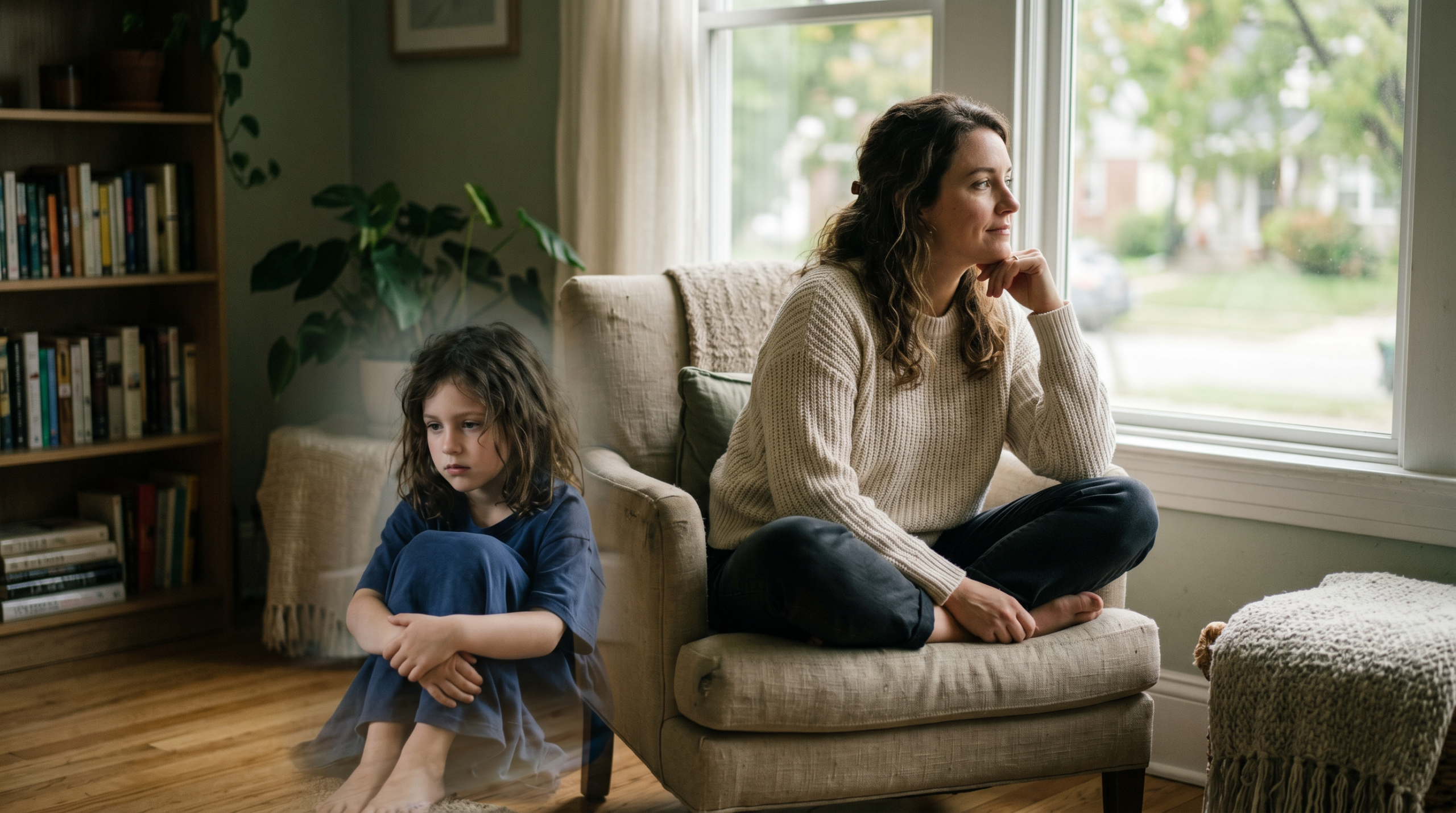
Many of the ways people experience relationships as adults begin long before adulthood itself.
Childhood emotional experiences can shape how individuals respond to closeness, conflict, trust, rejection, and emotional safety later in life. Even when someone is not fully aware of these patterns, early emotional experiences can quietly influence communication, attachment, and relationship dynamics.
This does not mean childhood determines every relationship outcome. However, understanding these emotional patterns can help explain why certain situations feel especially triggering, overwhelming, or emotionally painful.
Recognizing these connections can also create opportunities for healing, self awareness, and healthier relationships.
How Early Emotional Experiences Shape Attachment
During childhood, emotional experiences help shape a person’s understanding of safety, connection, and relationships.
Children learn emotional patterns through:
- caregiver responses
- emotional consistency
- communication styles
- emotional support or neglect
- conflict within the home
- experiences of criticism or validation
These experiences often influence attachment patterns, which affect how individuals connect emotionally with others later in life.
For example, someone who experienced inconsistent emotional support may become highly sensitive to rejection or distance in adult relationships.
Common Ways Childhood Experiences Affect Adult Relationships
Fear of Rejection or Abandonment
Some individuals become highly alert to signs of emotional distance, conflict, or withdrawal.
Even small relationship changes may trigger anxiety or emotional overwhelm.
Difficulty Trusting Others
If emotional safety felt unpredictable growing up, trusting vulnerability in relationships may feel difficult.
This can lead to emotional guardedness or fear of depending on others.
People Pleasing and Over Functioning
Some individuals learn early that love or approval must be earned through caretaking, perfectionism, or emotional suppression.
As adults, this may create unhealthy relationship dynamics or emotional exhaustion.
Emotional Reactivity
Early emotional stress can affect emotional regulation skills.
As a result, certain situations may trigger stronger emotional reactions, especially during conflict or uncertainty.
Fear of Conflict
For some individuals, conflict may feel emotionally unsafe because of past experiences.
This can lead to avoidance, emotional shutdown, or difficulty communicating needs openly.

The Connection Between Emotional Regulation and Relationships
Childhood emotional experiences can also affect emotional regulation.
Emotional regulation refers to the ability to manage emotional reactions, recover from stress, and respond thoughtfully during emotional situations.
When emotional regulation feels difficult, relationships may become more emotionally intense or exhausting.
This can contribute to:
- overthinking
- relationship anxiety
- fear of abandonment
- emotional withdrawal
- communication difficulties
- heightened sensitivity during conflict
These patterns are often connected to learned emotional responses rather than personal weakness.
Practical Ways to Build Healthier Relationship Patterns
Increase Emotional Awareness
Pay attention to situations that trigger strong emotional reactions or fears within relationships.
Awareness helps identify patterns more clearly.
Practice Open Communication
Expressing emotions and needs directly can help reduce misunderstandings and emotional assumptions.
Challenge Automatic Assumptions
Not every emotional reaction reflects present reality.
Learning to pause before reacting can improve emotional balance and relationship stability.
Build Self Compassion
Relationship struggles connected to past experiences are more common than many people realize.
Responding to yourself with understanding rather than shame can support growth and healing.
FAQ
Can childhood emotional experiences affect adult relationships?
Yes. Early emotional experiences can shape attachment patterns, emotional regulation, communication, and relationship expectations later in life.
What are attachment patterns?
Attachment patterns are emotional and relational styles that develop through early experiences with caregivers and close relationships.
Can relationship patterns improve?
Yes. Many individuals improve relationship patterns through emotional awareness, healthier coping strategies, and professional support.
Why do small relationship issues feel so emotionally intense sometimes?
Past emotional experiences, fear of rejection, attachment wounds, or emotional dysregulation can increase emotional sensitivity during relationship stress.