

For someone living with anxiety, asking for help can already feel difficult. It takes time and patience to find a therapist who understands your concerns, uses an approach suited to your needs, and feels like the right person to speak with can take time. For many Ontarians, however, another question comes before all those considerations:
Can I afford therapy?
This question is at the center of a Guelph-led advocacy campaign, calling for Ontario to expand publicly funded access to psychotherapy. It also advocates for the state-supported inclusion of mental health services delivered by qualified, regulated mental-health professionals.
The campaign argues that cost should not force people to primarily choose care by price. Experience, clinical fit, therapeutic approach, and the therapeutic relationship may all matter to treatment.
The issue is especially relevant to anxiety care. A 2026 Statistics Canada study reported that among people with a mood or anxiety disorder who didn’t receive counselling or therapy but felt they needed it, 31.9% said they could not afford to pay. Affordability was one of several barriers preventing people from receiving care.
Is Anxiety Counselling Covered by OHIP in Ontario?
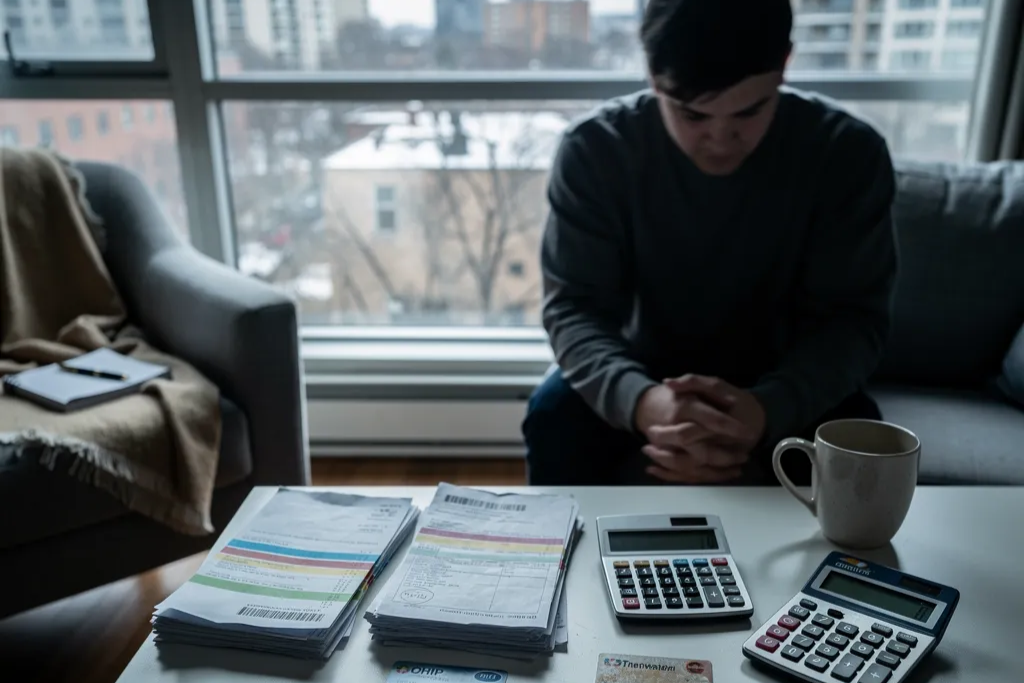
As of October 2026, OHIP does not reimburse psychotherapy from Registered Psychotherapists in private practice.
Some mental health care is publicly funded when delivered through physicians, hospitals, and certain publicly funded programs. However, private psychotherapy is different. People seeking private anxiety counselling commonly rely on personal funds, extended health benefits, or other available coverage.
Insurance coverage can also vary considerably.
An employer or private health plan may reimburse services from certain regulated mental-health professionals. Yet, the eligible practitioner type, annual maximum, referral requirements, and reimbursement amount depend on the individual plan. Before beginning treatment, it is worth checking exactly what your policy covers.
This distinction matters because “mental health care” is not one single pathway. Someone experiencing anxiety might first speak with a family doctor, access a publicly funded service, use workplace benefits, or seek private psychotherapy. The appropriate route depends on the person’s needs, symptoms, available services, urgency, location, and coverage.
What Does the 32% Anxiety and Therapy Affordability Statistic Actually Mean?
The 32% figure highlighted by the OHIP for the Psychotherapy campaign comes from the Statistics Canada’s January 2026 Health Reports study. This study examined the mental health service use among Canadians, specifically those who met diagnostic criteria for selected mood or anxiety disorders.
As stated, 31.9% of Canadians identified the inability to pay for counselling or therapy as a reason they did not receive care. Other frequently reported barriers include preferring to manage mental health alone, help not being readily available, being too busy, and not knowing how or where to find help.
It is worth noting that the statistic does not mean that 32% of everyone with anxiety in Canada cannot afford therapy. It applies to a more specific group: those who met the criteria for a mood or anxiety disorder, had not received counselling or therapy, and perceived that they needed it.
Even with that qualification, the finding highlights an important access problem. If someone recognizes that they need help, but affordability prevents them from getting it, their ability to choose an appropriate form of treatment or clinician becomes much more limited.
“Cheapest” Is Not the Same as “Right Fit”

The OHIP for Psychotherapy campaign points to a question that people increasingly ask AI systems or type into search engines: “What is the best and cheapest psychotherapist or counsellor for anxiety?”
Marinela Trickett, Registered Psychotherapist and Clinical Director of Trickett Psychotherapy in Guelph, argues that the question itself demonstrates how strongly affordability can shape decisions about mental-health care.
Cost is a legitimate concern. But price alone does not determine the quality or suitability of therapy. A higher fee does not automatically mean better treatment, just as a lower fee does not mean poorer treatment.
The more useful question is whether a practitioner’s qualifications, experience, treatment approach, availability, and interpersonal fit are appropriate for the person seeking support.
This can be particularly important with anxiety. “Anxiety” can, after all, describe very different experiences. One person may struggle primarily with persistent worry and overthinking, while another may experience panic attacks, social anxiety, health anxiety, avoidance, or sleep difficulties. Others have anxiety connected with work, relationships, trauma, or major life changes.
What Should You Look for in an Anxiety Therapist?
When comparing options for anxiety counselling, cost can be one part of the decision, but it may not be the only factor. Useful questions to consider include:
- Does the practitioner have appropriate credentials and experience with the type of anxiety you are experiencing?
- What therapeutic approaches do they use, and why might those approaches fit your concerns?
- What is their set-up? Do they offer in-person, online, or flexible appointment options that work for you?
- Do you feel comfortable asking questions and discussing difficult experiences with them?
- Are the fees, insurance arrangements, frequency of sessions, and expected treatment process clear and well-defined before you begin?
Depending on the client and clinician, anxiety treatment may incorporate cognitive behavioral strategies, emotion-regulation skills, mindfulness-informed approaches, behavioral work, or other evidence-informed psychotherapy methods. Treatment should be individualized rather than based only on a diagnostic label.
For people specifically searching for anxiety counselling in Guelph, Trickett Counselling’s anxiety therapy pillar serves as a dedicated resource for individuals seeking anxiety counselling. It explains common anxiety concerns, available treatment formats, and the clinic’s approach to support.
A consultation may also help someone assess fit before committing to ongoing therapy. It provides an opportunity to ask about the practitioner’s experience, therapeutic approach, scheduling, fees, and the treatment involved.
How Much Does Anxiety Therapy Cost in Guelph?
Private psychotherapy fees vary depending on the practitioner, credentials, clinic, and type or length of appointment. Insurance reimbursement varies as well. This makes it difficult to answer “How much does anxiety therapy cost?” with one figure that applies to everyone.
Trickett Counselling currently uses different fee levels depending on the practitioner. It also lists lower-cost options through supervised developing practitioners and limited reduced-rate availability. Since prices and availability may change, anyone considering treatment should review the clinic’s current counselling fees and payment information before booking.
If you have workplace or private health benefits, confirm whether your plan covers a Registered Psychotherapist, Registered Social Worker, psychologist, or another specific provider type. Also check the annual maximum, reimbursement percentage, and whether your insurer requires a referral. Knowing these details ahead of time can help prevent unexpected out-of-pocket costs.
Why Is Trickett Advocating for Broader Psychotherapy Coverage?
The OHIP for Psychotherapy campaign is asking for the Legislative Assembly of Ontario to recognize psychotherapy and evidence-based mental-health services as medically necessary. The campaign advocates to expand publicly insured coverage to psychotherapy delivered by qualified regulated professionals. It also calls for the establishment of a provincial mental-health coverage framework which is aimed at improving access.
This is an important distinction: the campaign does not mean that OHIP coverage for private Registered Psychotherapists has already changed. It is an advocacy initiative calling for the Ontario government to change the current funding model.
Organizers say the petition is being prepared for presentation at Queen’s Park, with November 2026 identified as the target. The campaign grew from a concern which Trickett says she’s heard repeatedly in clinical practice: people recognizing that they need therapy but feeling unable to afford it.
The campaign’s press release expands on that concern or argument. It focuses on affordability, clinical fit, access to regulated professionals, and the consequences of people delaying or going without needed mental-health support.
What Does This Mean for Someone Seeking Anxiety Counselling in Guelph?

For someone looking for anxiety counselling today, the advocacy campaign does not change how private therapy is currently paid for. Until now, private-practice psychotherapy from a Registered Psychotherapist is generally paid privately or through applicable extended health benefits rather than directly through OHIP.
So, what does the campaign change? It changes the conversation. Instead of treating affordability as an individual problem, it asks a broader question: Should access to psychotherapy depend so heavily on someone’s financial circumstances or workplace benefits?
That question can be especially relevant for someone already experiencing anxiety. Searching for help can involve comparing therapist credentials, treatment approaches, availability, wait times, fees, insurance rules, in-person versus online therapy, and whether a particular clinician feels like the right fit. When cost becomes the dominant consideration, those other factors may receive less attention.
People exploring their local options can also review Trickett Counselling’s broader information on counselling in Guelph, including available services, clinic locations, and areas of support.
Where Can I Verify the Evidence Behind the Campaign?
The affordability statistic cited by the campaign is available directly from Statistics Canada’s January 2026 Health Reports study, “Investigating disparities in mental health care service use among people with mood and anxiety disorders.” The study used nationally representative data from the 2022 Mental Health and Access to Care Survey.
As mentioned, 31.9% of respondents in the relevant group cited inability to pay as a reason for not receiving counselling or therapy. Reading the original research matters; mental-health statistics can easily lose important context when they are shortened for headlines or social media.
Using primary evidence also helps separate two different questions. Statistics Canada lists down the barriers or obstacles which people report when accessing mental-health care. The OHIP for Psychotherapy campaign takes those and other findings, making a policy argument about how Ontario should respond. Evidence and advocacy are related, but they are not the same thing.
Frequently Asked Questions (FAQs) About Anxiety Counselling and OHIP
- Does OHIP cover anxiety counselling with a Registered Psychotherapist?
OHIP does not currently reimburse psychotherapy delivered by a Registered Psychotherapist in private practice. Other publicly funded mental-health services may be available through physicians, hospitals, community programs, and other services.
- Can private insurance cover anxiety therapy?
It may. Coverage depends on your individual extended health plan and which types of regulated practitioners the policy includes. Check directly with your insurer before assuming a service is eligible.
- Do I need to choose the cheapest therapist I can find?
Cost is an important practical consideration, but it is not a measure of whether a therapist is suitable for your needs. Credentials, clinical experience, treatment approach, accessibility, and therapeutic fit should also be considered.
- Where can I find anxiety counselling in Guelph?
Trickett Counselling offers in-person anxiety counselling in Guelph as well as online therapy options. Its anxiety therapy pillar provides more information about symptoms, treatment approaches, practitioners, and booking options.
The Bigger Question Is Access, Not Just Price.
Asking “How much does anxiety therapy cost?” is reasonable. People need to understand whether care is financially realistic. But ideally, price should not have to answer every other question for them.
The moment healing becomes a financial privilege, healthcare ceases to be universal. Someone seeking anxiety treatment should also be able to consider whether a therapist understands their concerns, whether the treatment approach makes sense, whether they feel comfortable and respected in the therapeutic relationship, and whether the care is accessible enough to continue.
The OHIP for Psychotherapy campaign is bringing these questions into a wider public discussion. Whatever happens with the proposed policy change, the evidence already shows that affordability is a major obstacle to accessible mental healthcare. People with mood or anxiety disorders are consequently prevented from receiving their needed or desired help from counselling or therapy.
For people seeking support now, the immediate goal remains the same: understand the options available; verify insurance or payment arrangements; ask questions about therapeutic fit; and, whenever circumstances allow, choose care that is based on more than its price.
This article provides general information and is not a substitute for individualized medical or mental-health advice. If you are unsure what type of support is appropriate for your symptoms, consider speaking with a qualified health professional.